Daniel Kiser

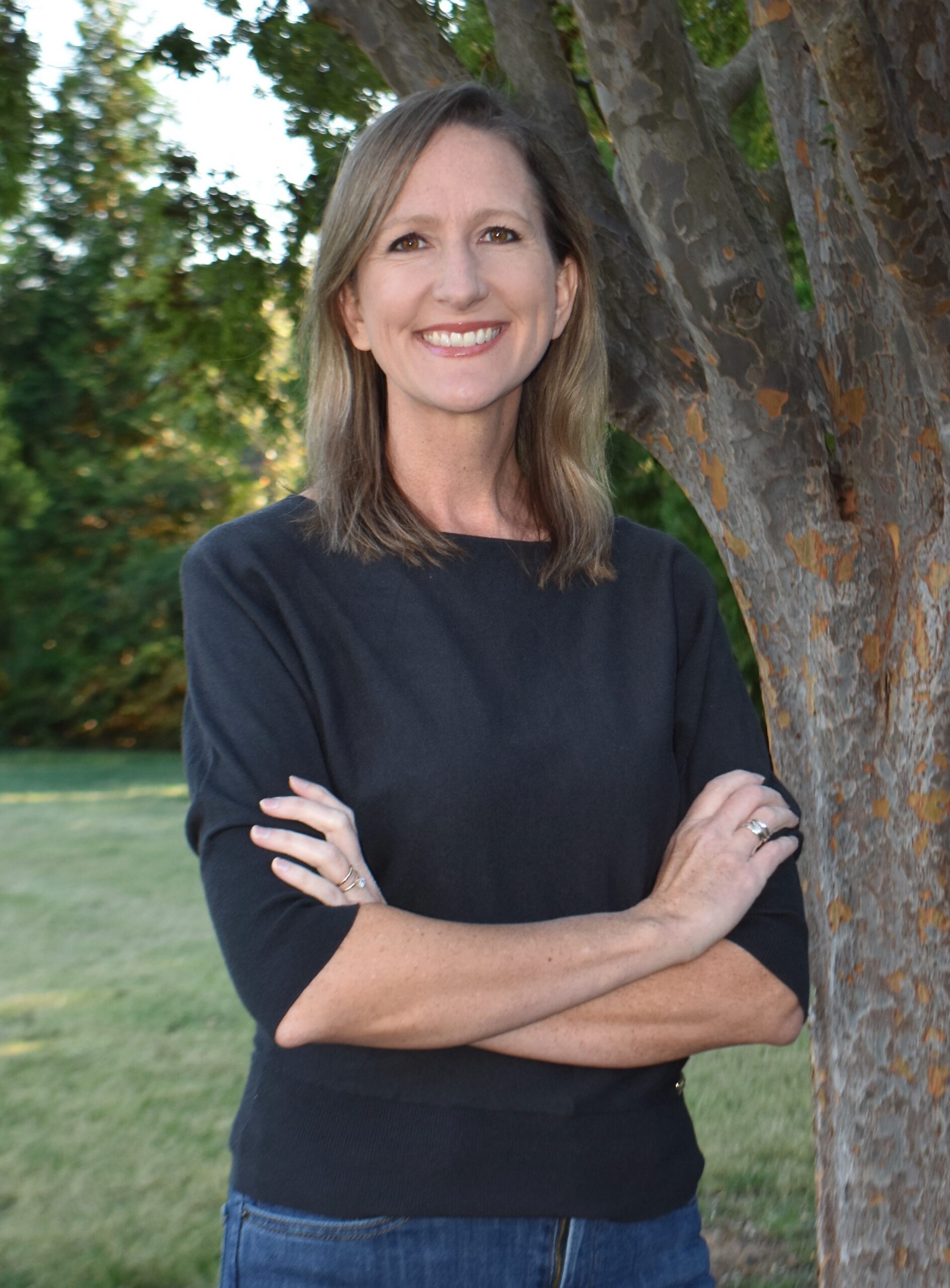
Melissa Haas

Melissa Haas serves as the spouse-supporting therapist at HopeQuest. Melissa has a master’s degree in marriage and family therapy and is a licensed professional counselor.  Passionate about spiritual community, healthy marriages, and intimacy with God, Melissa regularly facilitates small groups and teaches and speaks on these topics in order to help the Body of Christ grow relationally with God and each other.  

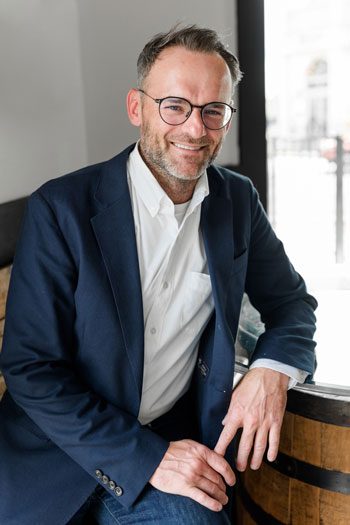
Daniel Kiser

Daniel Kiser

Daniel is a Licensed Marital and Family Therapist in the state of Tennessee. He has earned master degrees in Marital and Family Therapy and Biblical Studies from Lee University. Throughout his clinical experience, he has demonstrated clinical effectiveness working with adolescents and families through utilization of evidenced based approaches in his roles as a counselor, clinical supervisor, and behavioral health manager. He has worked with adolescents with severe suicidal behaviors, anxiety, depression, aggression, and high-risk behaviors in residential treatment. Addressed the relational distress within the parent-child relationship created by their child’s disruptive behavioral responses, helping parents through their despair, resentment, and disillusionment. He is invested in the integration of theology and psychology, believing that activation of human longings, desires, and vitality for life is based upon both disciplines. Aside from professional development, he also has experienced the profound impact of a transformative therapeutic relationship that provides accountability, exploration of underlying wounds and thoughts, and compassionate care. Counseling is oriented towards reclaiming, rediscovering, and restoring vital aspects of human development and he is eager to help others in their process as well. 

Rethinking Healing in Light Of John 5

Most of you know that during our workshop we teach about John 5, the healing at the pool of Bethesda.

Most of you know that during our workshop we teach about John 5, the healing at the pool of Bethesda. If you aren’t familiar with the story, a miracle happens when Jesus asks a crippled man if he would like to be healed. With a sentence, Jesus heals him, and the man leaves the pool area in physical freedom after thirty-eight years.
Just like our own healing the rest of the story is complex and rich in examples of how God works. This man was waiting at the pool for the water to be stirred believing that would heal him if only he were first in. Along comes a man who simply asks if he wants to be healed. It’s a direct question that gets an indirect answer and an excuse in return. The crippled man is thinking about healing through the narrow lens of his understanding of how it occurs.

The man can be forgiven for not recognizing that he was staring at the face of the Healer. I think we also often look in the wrong places informed by old ideas about healing. Further, I think the culture around us influences our beliefs about how healing happens. Ultimately, would he be willing to take up his mat when he was given the choice to be healed? Trusting Jesus’ instructions, even when it looked completely different than what he thought was key.

I wonder if we trust the unexpected ways that God offers healing sometimes. It may not look like what the culture is doing or what others around us are doing. It requires the willingness to stand when we hear the voice of the Savior. Interestingly, Bethesda in Hebrew means “house of mercy/grace”. Isn’t it so powerful that the people at the pool of Bethesda were shunned because of their wounds but Jesus embodied the full meaning of Bethesda? I continue to pray that Bethesda Workshops is a place of grace-fueled healing as we listen to Jesus invite us to be healed.