I believe we’re facing a boredom crisis in our world today. We live in a world that treats stillness like a problem to solve, rather than a space to experience.
Neuroscience tells us that boredom activates the default mode network, which is the brain’s system for daydreaming, memory, and self-reflection. In other words, boredom isn’t emptiness; it’s the threshold of imagination and integration. Some close friends used to tell us that when their kids said, “We’re bored,” their mom would simply reply, “That’s okay.” I was struck by the wisdom in that response.
And yet, like most of us, I find myself resisting boredom more than ever. Technology makes it effortless to escape those slow, uncomfortable spaces. But beneath that resistance is something deeper. Boredom doesn’t just stir creativity; it stirs everything. Old memories. Unfinished grief. Thoughts and emotions we’ve worked hard to outrun.
That’s why I’ve long believed boredom is one of the most underestimated triggers in the addiction cycle. When we can’t bear the ache of stillness, we reach for whatever numbs it. Anything to avoid the quiet that might reveal what’s waiting to be healed.
But if we can stay with boredom and breathe through the restlessness rather than fill it, something begins to shift. The nervous system starts to downshift from vigilance into regulation. The parts of us that were frozen or fragmented finally have space to speak.
What if boredom isn’t the enemy, but an invitation?
It’s often in the quiet moments that our bodies settle, our thoughts make sense, and our hearts remember what matters. It’s where we can dream, plan, and create. In other words, it can be a very life-enriching space.
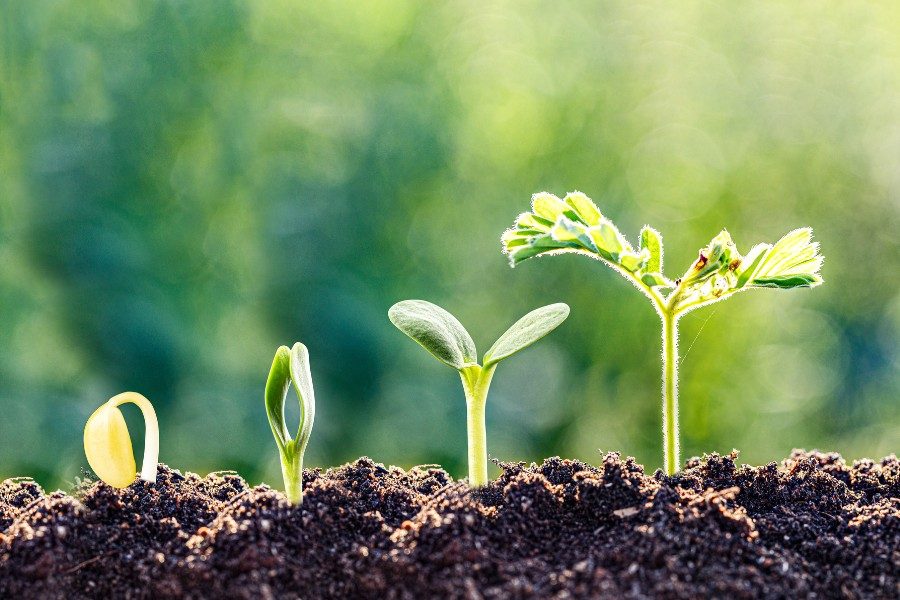
This season, when boredom visits, don’t rush to exile it. Sit with it, and notice what arises in the stillness. There’s a quiet harvest waiting beneath the surface, something tender, unseen, and ready to grow.