Daniel Kiser

Melissa Haas

Melissa Haas serves as the spouse-supporting therapist at HopeQuest. Melissa has a master’s degree in marriage and family therapy and is a licensed professional counselor.  Passionate about spiritual community, healthy marriages, and intimacy with God, Melissa regularly facilitates small groups and teaches and speaks on these topics in order to help the Body of Christ grow relationally with God and each other.  

Daniel Kiser

Daniel Kiser

Daniel is a Licensed Marital and Family Therapist in the state of Tennessee. He has earned master degrees in Marital and Family Therapy and Biblical Studies from Lee University. Throughout his clinical experience, he has demonstrated clinical effectiveness working with adolescents and families through utilization of evidenced based approaches in his roles as a counselor, clinical supervisor, and behavioral health manager. He has worked with adolescents with severe suicidal behaviors, anxiety, depression, aggression, and high-risk behaviors in residential treatment. Addressed the relational distress within the parent-child relationship created by their child’s disruptive behavioral responses, helping parents through their despair, resentment, and disillusionment. He is invested in the integration of theology and psychology, believing that activation of human longings, desires, and vitality for life is based upon both disciplines. Aside from professional development, he also has experienced the profound impact of a transformative therapeutic relationship that provides accountability, exploration of underlying wounds and thoughts, and compassionate care. Counseling is oriented towards reclaiming, rediscovering, and restoring vital aspects of human development and he is eager to help others in their process as well. 

A Leadership Lesson I Didn't Expect

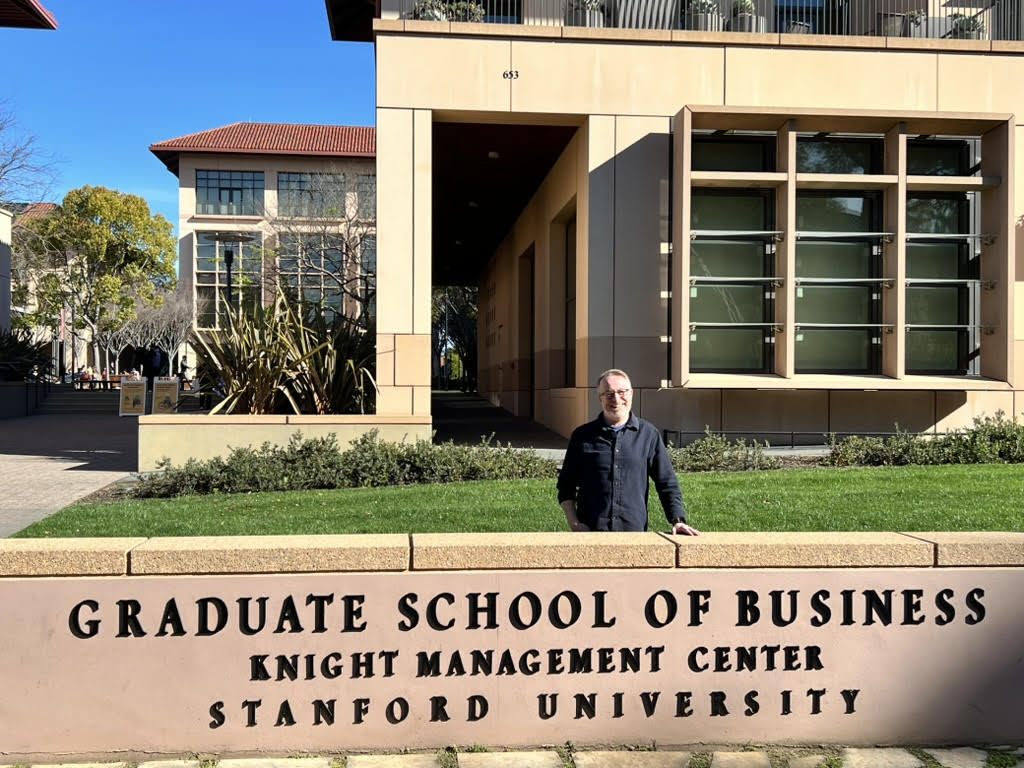
Last week, I had the privilege of studying nonprofit leadership at Stanford alongside 60 leaders from around the world. We immersed ourselves in strategy, scaling, governance, and innovation. The content was rigorous, stretching, and deeply practical. It was a rare gift to step out of the day-to-day demands of Bethesda and think more deliberately about leadership itself, what it requires, what it costs, and what it cultivates.


At the end of the week, we were asked to articulate our primary takeaway. A shared theme emerged for many of us (including me): subtraction. The recognition that excellence is not built by adding more, but by removing what is unnecessary. Slow is not the absence of strategy; it is often THE strategy.


That realization confronted me. My default is speed. Movement. Progress. Yet in slowing down from the work, I found I could see the work more clearly. Space created insight. Margin created discernment. The ideas were not new, but they became real in the quiet. God used the space to refresh my body and soul.


We live in a culture that rewards acceleration. With endless tools designed to increase output, we may have misplaced the most important one: slowness.


At our workshops, we collect participants’ electronics. At first, it feels disruptive. By the final day, many are reluctant to take them back. Why? Because recovery requires unhurried presence. There is no whole-person healing without reflection, without space, without time for truth to surface and tools to take root. We cannot rush our way to effective recovery.


Slowness is not weakness; it is how complexity becomes clarity. And clarity submitted to God and refined in community becomes wisdom.


Mike Vaughn
Executive Director