Daniel Kiser

Melissa Haas

Melissa Haas serves as the spouse-supporting therapist at HopeQuest. Melissa has a master’s degree in marriage and family therapy and is a licensed professional counselor.  Passionate about spiritual community, healthy marriages, and intimacy with God, Melissa regularly facilitates small groups and teaches and speaks on these topics in order to help the Body of Christ grow relationally with God and each other.  

Daniel Kiser

Daniel Kiser

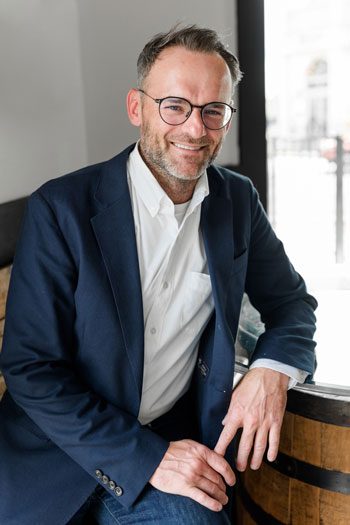
Daniel is a Licensed Marital and Family Therapist in the state of Tennessee. He has earned master degrees in Marital and Family Therapy and Biblical Studies from Lee University. Throughout his clinical experience, he has demonstrated clinical effectiveness working with adolescents and families through utilization of evidenced based approaches in his roles as a counselor, clinical supervisor, and behavioral health manager. He has worked with adolescents with severe suicidal behaviors, anxiety, depression, aggression, and high-risk behaviors in residential treatment. Addressed the relational distress within the parent-child relationship created by their child’s disruptive behavioral responses, helping parents through their despair, resentment, and disillusionment. He is invested in the integration of theology and psychology, believing that activation of human longings, desires, and vitality for life is based upon both disciplines. Aside from professional development, he also has experienced the profound impact of a transformative therapeutic relationship that provides accountability, exploration of underlying wounds and thoughts, and compassionate care. Counseling is oriented towards reclaiming, rediscovering, and restoring vital aspects of human development and he is eager to help others in their process as well. 

Specific Tips For Funding A Workshop

Bethesda Workshops is a non-profit organization that offers intensive workshops at a price more affordable than most other clinical options. Admittedly, the cost can seem quite high when it’s first considered. In the overall picture, though, a workshop is less expensive than any other treatment alternative. Here are strategies for funding the help you need.

Taking the step toward healing from sexual addiction, or partner betrayal trauma is courageous, but the cost of a workshop can feel like a barrier. Fortunately, many who have gone before you have found practical, creative ways to make it possible. Here are four actual funding options our participants have used:

1. Church or Faith Community Support

Many churches are open to helping with the cost of a workshop, especially when it's framed as a step toward spiritual and relational restoration. Whether through benevolence funds, recovery ministries, or personal sponsorship from members, support may be available if you ask. This is the most common third-party method past participants have used to fund a Bethesda Workshop.

Tip: Be honest and specific in your request. Leaders often respond well when they see a clear desire for change and accountability.

2. Health Savings Accounts (HSAs) 

You may be able to use HSA funds to cover part or all of the cost. Participants have successfully done this.

Tip: Check with your provider ahead of time to confirm eligibility.

3. Support from SAA Group Members

While SAA can’t fund workshops directly, individual members or sponsors have sometimes offered support. Sharing your need with trusted people in your recovery group can lead to surprising generosity from those who’ve experienced the same journey.

4. Personal Savings and Sacrificial Giving

Many participants have saved over time or made temporary sacrifices—like cutting expenses or postponing nonessential spending—to invest in lasting healing. What seems like a cost now often becomes one of the most meaningful investments of their lives.

Tip: Remember that Bethesda Workshops offers payment plans which lessens the amount to be paid before the workshop.


Trust that God will make a way.

This doesn’t always mean the provision will look the way we expect or arrive in the timing we prefer. But time and again, we’ve seen that when someone is genuinely ready to pursue healing, opportunities begin to unfold—often in surprising ways. When we take steps in faith, God responds with grace, guidance, and provision that meets us right where we are.Final Encouragement