Daniel Kiser

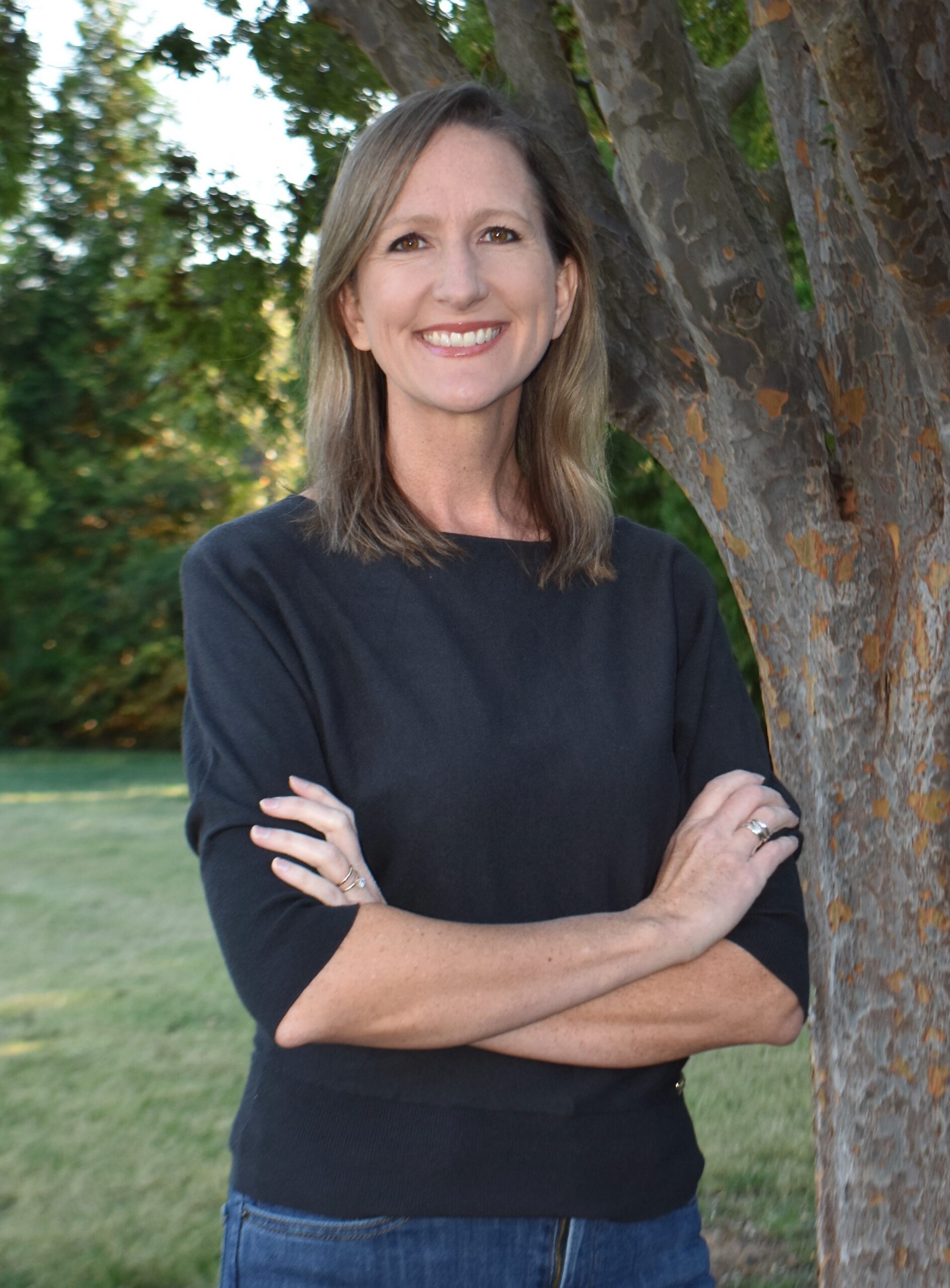
Melissa Haas

Melissa Haas serves as the spouse-supporting therapist at HopeQuest. Melissa has a master’s degree in marriage and family therapy and is a licensed professional counselor.  Passionate about spiritual community, healthy marriages, and intimacy with God, Melissa regularly facilitates small groups and teaches and speaks on these topics in order to help the Body of Christ grow relationally with God and each other.  

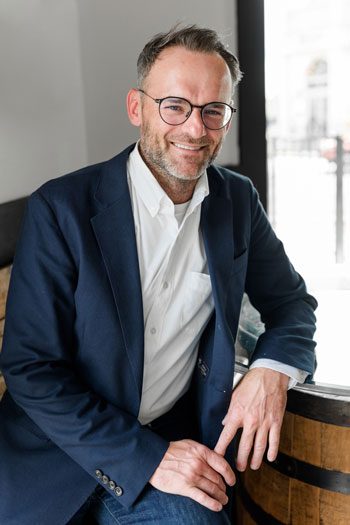
Daniel Kiser

Daniel Kiser

Daniel is a Licensed Marital and Family Therapist in the state of Tennessee. He has earned master degrees in Marital and Family Therapy and Biblical Studies from Lee University. Throughout his clinical experience, he has demonstrated clinical effectiveness working with adolescents and families through utilization of evidenced based approaches in his roles as a counselor, clinical supervisor, and behavioral health manager. He has worked with adolescents with severe suicidal behaviors, anxiety, depression, aggression, and high-risk behaviors in residential treatment. Addressed the relational distress within the parent-child relationship created by their child’s disruptive behavioral responses, helping parents through their despair, resentment, and disillusionment. He is invested in the integration of theology and psychology, believing that activation of human longings, desires, and vitality for life is based upon both disciplines. Aside from professional development, he also has experienced the profound impact of a transformative therapeutic relationship that provides accountability, exploration of underlying wounds and thoughts, and compassionate care. Counseling is oriented towards reclaiming, rediscovering, and restoring vital aspects of human development and he is eager to help others in their process as well. 

Disease Model of Addiction

Is this sin or is it an addiction? That’s one of the most frequently asked questions about sexual addiction. Our immediate answer is “Yes!” Sexual addiction is both.

Is this sin or is it an addiction? That’s one of the most frequently asked questions about sexual addiction. Our answer is “Yes!” Sexual addiction is both.

At Bethesda Workshops, we unequivocally identify inappropriate sexual and relationship behaviors as sin. We don’t sugarcoat that reality. At the same time, we believe the “sin model” as it’s normally understood is inadequate to describe this problem and its solution.

Sexual addiction is a multi-faceted problem with physical, mental, emotional and relational components as well as a spiritual aspect. Sex addiction begins with the choice to commit some kind of sexual sin. Over time, though, as the behavior is repeated, it can cross the line from sexual sin to the point of addiction.

An addiction is the use of any substance or engagement in any behavior that is obsessive, compulsive, and continues despite adverse consequences. The apostle Paul well describes addiction (though probably unintentionally) when he writes in Romans 7, “I don’t understand what I do. The good that I want to do, I don’t do; and the evil I don’t want to do, I keep on doing. What a wretched one I am!” (paraphrased). Compulsive behavior requires a plan that is multifaceted and efforts to stop apart from a robust plan will fail. While spiritual disciplines are the foundation for all healing,  sexual addiction recovery requires treatment of the mind and body as well in addition to the soul. Research and informed clinical thought view addiction, including sexual addiction, as a neurobiological disease.

When we use the disease model, we in no way absolve individuals of responsibility for their sin and their healing. We simply mean that there are many components to sexual addiction, and it’s necessary to tackle them all through wide-ranging tactics.