Understanding Sex Addiction
Today, addiction is widely recognized and better understood. Treatment centers are common, and support groups are mainstream. Admitting to alcohol or drug struggles is often met with support and even respect. But saying, “I might be a sex addict” is still something else entirely.
Porn’s widespread presence has made that struggle slightly more relatable. It’s everywhere—and powerful. Churches are beginning to confront the issue, with more offering accountability groups and plenty of Christian resources now available.
Yet those who struggle with compulsive sexual behavior usually feel overwhelming shame, especially as Christians. Unfortunately, the shame of sexual addiction fuels further acting out. It’s a secret sin, where strugglers are afraid to admit the problem. Those of us who are Christians have tried harder, and we’ve begged God to deliver us from this problem. When we fail, there are spiritual, emotional, physical and relational damages. The shame escalates and is debilitating. It is often powerful enough to keep sex addicts from asking for help.
The good news is that no one, including sex addicts, are beyond God’s grace. A solution exists to the problem of sexual addiction, and healing is possible.
For Men
Compulsive sexual behavior is a broad label that includes a range of behaviors, like compulsive porn use, serial affairs and strip clubs. It’s not just about sex. At its core, it’s about trying to meet real needs—like love, affirmation, and connection—with false solutions.
For years, the focus on sex addiction has been mostly male-centered, but even then, many men stayed silent out of guilt or fear. Culture often sanctions sexual behavior in men while shaming emotional vulnerability, leaving guys trapped in a cycle of secrecy and self-condemnation.
Whether the pattern is porn, hookups, or using sex to deal with overwhelming emotions, the root issue is the same: trying to fill a deeper void. More and more men are struggling with online behaviors—porn, chat rooms, cybersex, etc.
The good news? Healing is absolutely possible. You can break the cycle, find freedom from shame, and rebuild your relationships—with others, with God, and with yourself.
For Women
Yes, women grapple with compulsive sexual behavior as well, though even the term itself can feel burdensome or unsettling. Love addiction—distinct from sex addiction—is another profound struggle many women face. Often, sex addiction is not truly about sex; rather, it reflects an attempt to soothe deep emotional needs—such as the longing for love, acceptance, and affirmation—through means that ultimately leave those needs unmet
For a long time, sex addiction was seen as a “men’s issue,” and women were overlooked. But the reality is different: about a third of visitors to adult sites are women, and experts estimate that 30-40% of those struggling with sexual addiction are female. Even so, resources and support tailored for women have been slow to develop.
Many women carry a unique and heavy shame around this struggle. Cultural expectations often place harsher judgments on them, leading many to suffer in silence, believing they are alone in their experience.
For some women, sex addiction shows up as repeated affairs. Others may be caught in a cycle of pornography use, masturbation, or sexually explicit online interactions—often seeking connection in digital spaces that ultimately leave them feeling emptier.
In 1997, Woodmont Hills Church in Nashville hosted the first workshop focused on female sexual addiction, founded by Marnie Ferree, who sought to "comfort others as I have been comforted" (2 Corinthians 1:4) after finding healing herself. Now part of Bethesda Workshops, the Healing for Women program addresses the unique needs of women struggling with sex and relationship addictions.
Recovery is possible. You can break the cycle. You can heal from shame, reclaim your worth, and build a life rooted in real connection—with others, with yourself, and with God.
You don’t have to have it all figured out. Just start with one honest step. Ask for help. You’re not alone.
First Steps for Sex Addicts
If you’re beginning to realize you have a problem with sexual addiction (or are heading down that road) or you’re already certain you need help, here are some first steps you can take.
Talk to someone about your problem.
According to a slogan from the Twelve Steps, we’re as sick as our secrets. Locate a trusted friend or therapist, share about your struggle and ask for help. It’s not enough just to confess your sin to God. Simply being honest with someone helps relieve the shame and start a healing process.
Learn more about the problem and the solution.
Reading is a good starting place. For specifically Christian resources, if you’re male, get Unwanted by Jay Stringer; if you’re female, get No Stones: Women Redeemed from Sexual Addiction by Marnie Ferree. Other great books are anything by Patrick Carnes, including Out of the Shadows, Don’t Call It Love, and the workbook Facing the Shadow. Check out the Resources section for an extensive list of suggested reading.
Set behavior boundaries.
Make any changes you can think of to curb your acting out behaviors. Put your computer in a public place and install an Internet filter. Block contact with an affair partner. Don’t carry cash to spend at a strip club. Change your cell phone number or email address. Most people find it hard, if not impossible, to maintain strict boundaries early in recovery. Don’t give up if you can’t do these kinds of things by yourself. Using the other tools of recovery will help you succeed here.
Attend a Twelve Step or support group.
No one can recover alone or with the help of just one other person. Being part of a community is key – and not just any community. At least several people in your support system need to be successfully abstaining from inappropriate sexual activity. Find a 12 Step group like Sexaholics Anonymous or Sex Addicts Anonymous or a faith-based program like Pure Desire or Celebrate Recovery. Attend regularly. Several times a week is best.
Find a counselor who understands sex addiction.
Many counselors (including Christian ones) aren’t trained in treating sex addiction, and they can unintentionally do more harm than good. Find a counselor who understands addiction and its root causes. The best place to locate a clinician is through the website of the International Institute for Trauma and Addiction Professionals (IITAP). Visit www.sexhelp.com for a searchable database.
Decide to postpone any major decisions.
Agree to defer important decisions like getting a divorce or running off with an affair partner. Until you’ve been sober for several months (and preferably at least a year), you aren’t thinking clearly.
Consider coming to a Healing Workshop.
It may feel like a big step, but a Bethesda Workshop provides a HUGE jumpstart into recovery. It quickly gets you way down the road to healing. The Healing Workshops section has complete information.
Healing for Men
Workshop
for men who personally struggle with
pornography and other forms of
sex or relationship addiction
Learn More
Healing for Women
Workshop
for women who personally struggle with
pornography and other forms of
sex or relationship addiction
Learn More
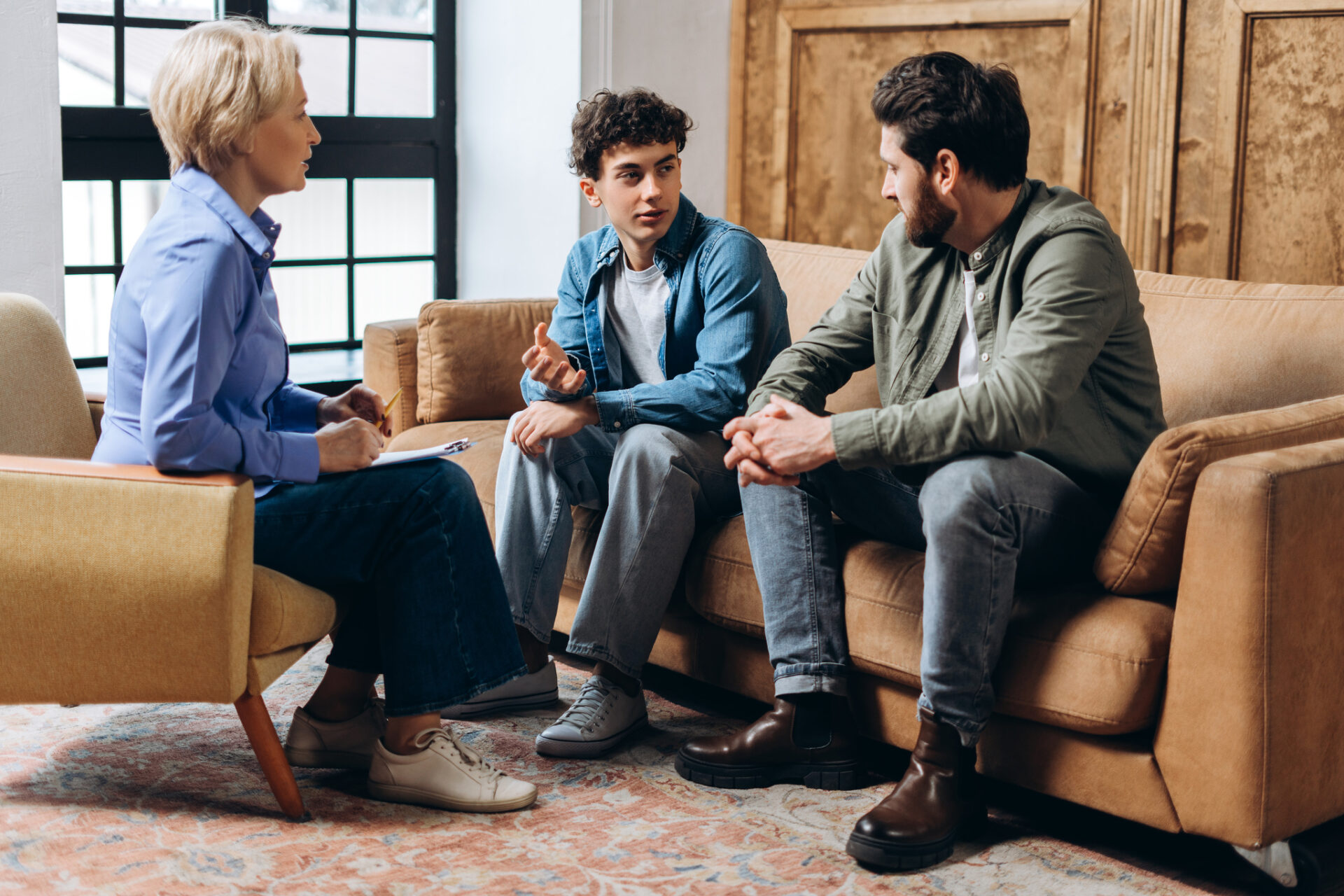
Healing for Teens & Their Parents
for teens ages 15-19 struggling with problematic sexual or relational behavior
Learn More
Self-Test
If you’re concerned about your sexual or relational behavior, ask yourself these questions that comprise the simple PATHOS screening test (adapted) developed by Dr. Patrick Carnes:
- Preoccupied: Do you often find yourself preoccupied with sexual thoughts or relationship behavior?
- Ashamed: Do you hide some of your sexual or relational behavior from others?
- Treatment: Have you ever sought help for sexual or relational behavior that was problematic for you?
- Hurt others: Has anyone been hurt emotionally because of your sexual or relational behavior?
- Out of control: Do you feel controlled by your sexual desire or your relational behavior?
- Sad: When you have sex or engage in certain relational behavior, do you feel depressed afterwards?
If you answer “yes” to more than two questions, experts highly recommend you talk with a trained therapist to explore your answers. Bethesda Workshops suggests that any “yes” answer is problematic and deserves further exploration.
Another helpful resource is the Sexual Addiction Screen Test (SAST), a longer questionnaire developed by Dr. Carnes and provided by the International Institute for Trauma and Addiction Professionals (IITAP), specifically through the Recovery Zone materials. It’s a 52-item yes/no screening that provides confidential results and interpretation of your answers.
Bethesda Workshops has no way of knowing which website visitors click to take the SAST and receives no information about your results.
Sexual Addiction FAQs
We offer workshops for all your personal needs.
What should I do first if I suspect my person is a sex addict?
The first step is to admit there is a serious problem with your partner and the relationship. Refuse to remain in denial. Take action to learn about sexual addiction and to get help for yourself as the partner of an addict. Begin by telling a safe person the truth about what’s going on in your family.
What do I tell my family and friends? My addict refuses to let me talk to anyone and insists it’s nobody’s business.
It’s not unusual for addicts to insist that their spouses keep the secret. He or she may use threats or control to keep you quiet. The truth is that you have a right to talk about what’s going on in your life. Your spouse’s addiction affects you, too. You can tell your story about what’s going on with you – the pain, the fear, the shame, the confusion. You don’t owe any loyalty to your spouse’s sinful behaviors.
If you fear your spouse may become violent or harm you in some significant way, it’s crucial that you develop a safety plan. Learn about the resources in your area. Make arrangements with a trusted person for help in an emergency. Ask for legal advice, if necessary.
My addict won’t tell me the truth about his/her acting out. How do I get him/her to disclose his secrets?
Bethesda Workshops teaches addicts that their secrets are harming their relationships, even if they believe their spouse doesn’t know. It’s impossible to have true intimacy unless it’s built on honesty. Sadly, addicts have gotten very good at deception, and they are afraid you will leave if you know the truth. Unfortunately, addicts typically practice staggered disclosure and continue lying, which only increases your pain.
At the same time, we don’t recommend that addicts immediately confess everything to their spouse, especially without professional help. In fact, that approach isn’t a good plan! Consultation with a trained clinician is strongly recommended. This structured approach ensures you have adequate resources in place for yourself as a partner. It also greatly increases the likelihood that you’ll receive the complete information you deserve.
Bethesda Workshops covers disclosure in every individual intensive. You can also access our two-part podcast on disclosure.
What do I tell my children?
Professionals in the field generally agree that children, both minors and adults, have a need and right to know (to varying degrees) about a parent’s addiction. Even young children are very much aware of what’s going on in a family, despite how well you may have tried to hide it. Talking honestly about the family situation can be a relief for children.
You should consider your children’s ages, maturity, and personality when discussing sensitive information. The primary thing to consider is your motive for telling your children: Is it to promote honesty and healing within the family, or is to seek support for yourself, get your children to take side, or manipulate the children into comforting you? None of those are healthy reasons for talking with your children about the situation.
It is vitally important that you reassure children that any problems in the family are not their fault and are not their responsibility to solve. Be clear that you will take care of them and get the family whatever help is needed. We’ll provide resources about disclosure to family at the Healing for Partners workshop.
Are my children safe if my person is sexually addicted? Will he/she sexually abuse the children?
Living in a home where sexual addiction is present is clearly a less than healthy environment for children for a variety of reasons. However, don’t automatically assume that a sex addict is at risk of sexually abusing children. Sexual addiction and pedophilia (being sexually attracted to children) are two different things. Most sex addicts are not inappropriate with children. Unless you have some specific reason to suspect otherwise, your children aren’t at increased risk of sexual abuse by an addicted parent. Even addicts who access child oriented pornography don’t necessarily go on to commit a contact offense, though evaluation by a clinical professional is definitely warranted. It’s always wise, however, to be aware of others’ interactions with your children and to have healthy conversations about concepts like safe touch and personal privacy.
How do I know my addict really arrived at the workshop? What keeps him/her from acting out during the workshop?
It’s the participant’s responsibility to alert you that he/she has arrived before the workshop starts. We take up cell phones and other electronic devices at the start of the workshop, and after that point, we have a strict policy of no contact with people at home until the workshop ends. (This policy also covers any contact at all with the outside world, including with work. We provide emergency contact information for the participant to share with family members.)
If someone fails to show up for a workshop, we contact the person listed as the emergency contact to report that the expected participant isn’t here. Similarly, we contact the emergency contact if a participant leaves the workshop before it’s over.
Every participant has a roommate and is not allowed to leave the workshop site or the hotel without receiving permission from a staff member and unless accompanied by another person. No one goes anywhere alone, including driving back and forth from the hotel. Remember, you can’t control the addict’s behavior. If he/she is willing to attend a Healing Workshop, that’s an important first step.