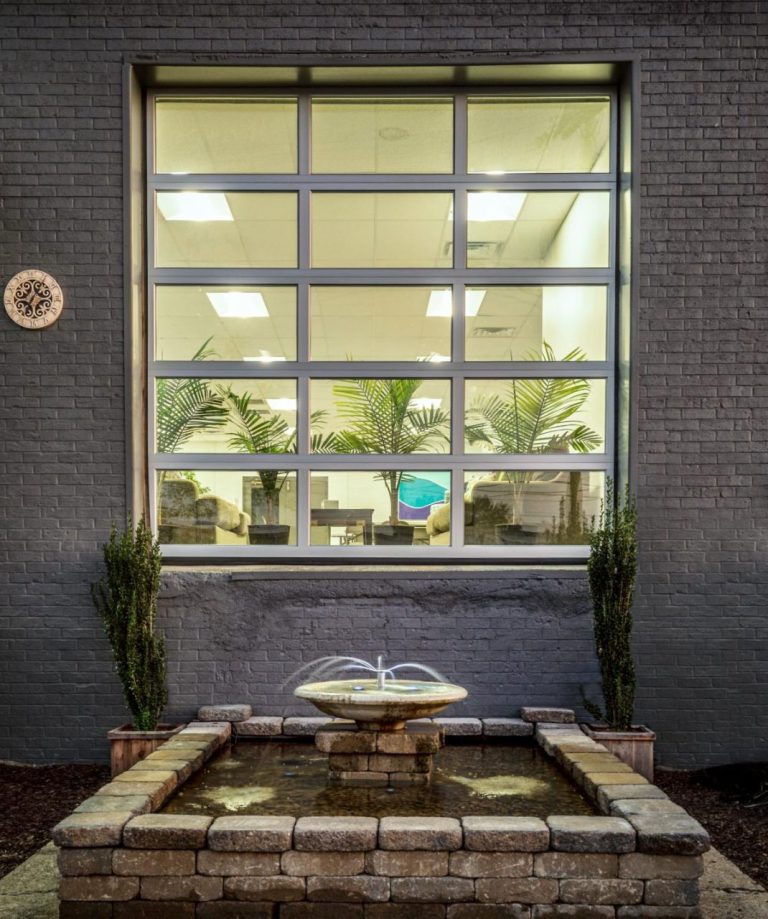
The story of Jesus’ feeding of the 5,000 is familiar to most Christians and recorded in all four of the gospels. A recent sermon about this event seemed to correlate well with Bethesda Workshops’ experience about buying our own building. In the biblical account a large crowd had gathered to hear Jesus teach, and after a long day, the people were hungry. The disciples suggested that Jesus send them away to buy their own food. Instead, Jesus instructed the disciples to provide the food themselves.
Being practical fishermen, they logically disagreed for an obvious reason: We only have five loaves and two fish here; how is that going to feed this huge crowd? In response, Jesus instructed them to bring the loaves and fish to him and seat the people in groups. With those meager (visible) provisions, Jesus feed the multitude with baskets of food left over.
As Bethesda Workshops was wrestling with the decision about buying a building, we were keenly aware that our current coffer contains only five loaves and two fish. How were we possibly going to expand that resource to meet the need for our own space? I stewed about this dilemma ad nauseum.
Thankfully, wise advisors reminded me of an important spiritual perspective. God often calls us to step out in faith to do something far beyond what we can reasonably do. If Bethesda Workshops could get a building within our own power based on our own resources, why would we need God? (If you could recover as a sex addict or a partner based on your own best efforts, where is God in that process?)
Beginning in early childhood, I learned to be self-sufficient. I depend on myself to figure things out and make things happen, and I much prefer being in control. (Shocking, I know.) Yes, I’ll ask for help, but I want that help to appear up front exactly how I expect it will look.
As Bethesda Workshops started raising money to buy our own space, I kept hoping God would drop a cool million dollars into our bank account. I expected that would be the sign that we were supposed to move forward.
Instead, I see now that God was up to something much more important than swelling our identifiable resources. God was asking me and our board to fully trust that God would provide what we needed when the time was right. And God clearly did provide when a private investor stepped up to buy the building for us and allow us to pay for it through a lease-purchase arrangement.
You would think that unexpected blessing would have satisfied my doubt! Sadly, I’m still too stubbornly dependent on my own striving for that amazing development to settle my spirit. It only changed the question to, How will we possibly make those payments each month? The answer was still all dependent on me! Eventually I realized that my next faith step was to trust that God will provide those monthly funds through the generosity of others whom God will prompt to help us.
I’m learning at a deeper level that self-sufficiency doesn’t honor God. Doing something beyond what you can do through your own strength and willpower brings glory to God.
Jesus’ disciples got to take the limited resources they possessed - an inadequate five loaves and two fish - and commit them to God’s exponential power. I suspect the food didn’t start multiplying until the disciples started walking through the crowd and handing it out. It’s a spiritual version of just-in-time inventory.
Today’s lesson from 1035 Acorn Drive is this: God clearly sees your need. Your opportunity of trust is to take what you have, commit it to God, step into the situation at hand, and let God do the math.
Marnie C. Ferree