Daniel Kiser

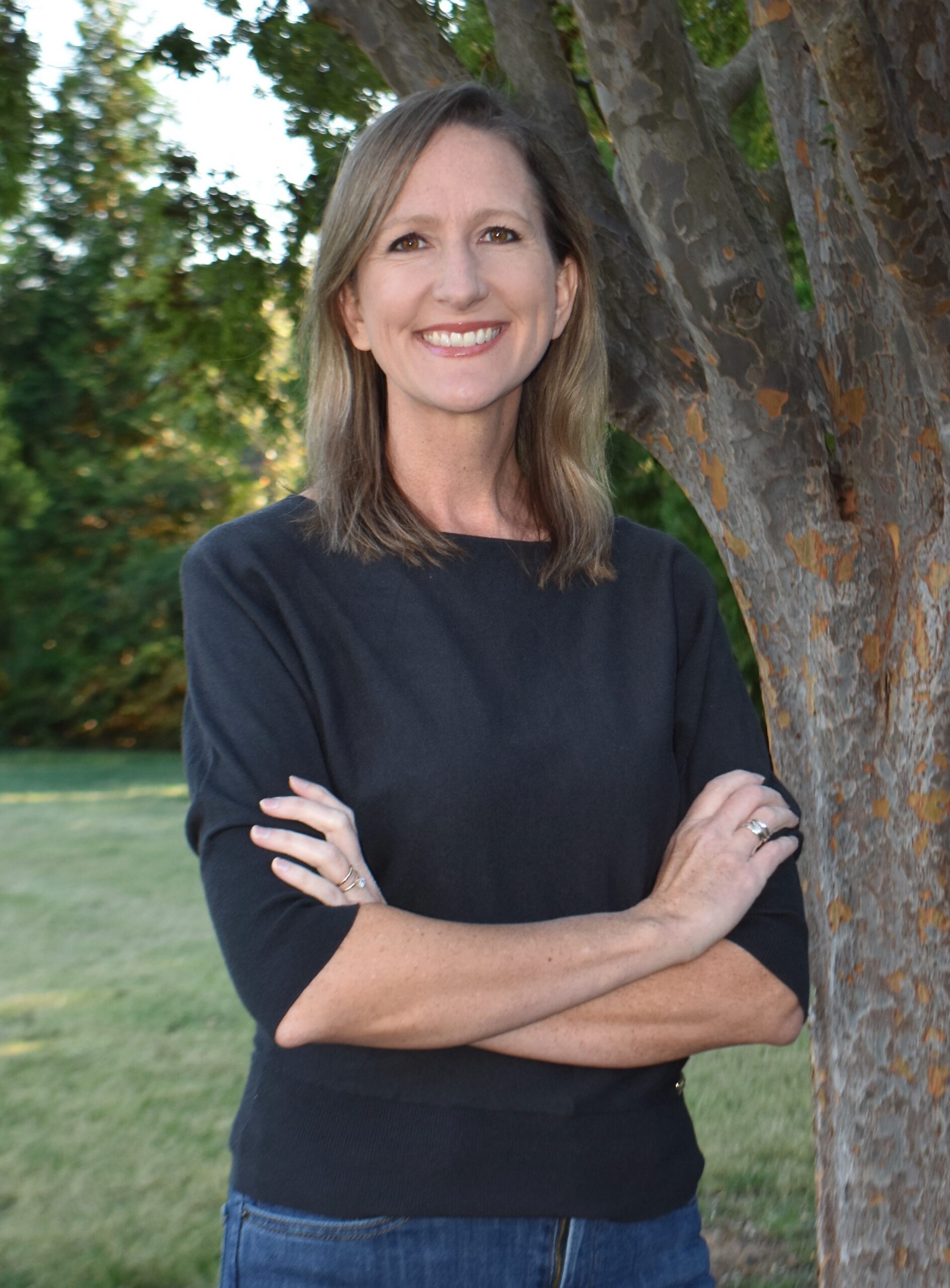
Erica Vaughn

As Bethesda Workshops’ Marketing Director, Erica helps share the hope and healing available at Bethesda. Her work includes creating our messages shared through email, social media, and on our website.

She brings experience in marketing several small businesses and non-profit organizations in the Southeast. Erica earned her BS in Business Administration in Marketing from Appalachian State University and completed a certificate program in Digital Marketing with the University of North Carolina at Chapel Hill.

She and her husband have three kids. She enjoys traveling with her family to the Carolina beaches and mountains.

Daniel Kiser

Shelly Gibbs

Shelly Gibbs is a nonprofit consultant and business coach who partners with organizations and individuals navigating their next season of growth. Her work centers on three pillars: strategy, systems, and staff — the building blocks of sustainable, thriving organizations.

Before launching her practice, Shelly served as Executive Director of NorthState Care Clinic and Director of Moral Revolution, two nonprofits dedicated to equipping and empowering people to live as their best, truest selves.

Shelly brings a whole-person perspective to her work, grounded in the belief that we are tri-polar beings — body, soul, and spirit — and that lasting transformation requires all three. She partners with people in their pursuit of freedom, peace, and abundance, holding firmly to this: we are better together.

She holds a BA in Liberal Studies and a Multi-Subject Teaching Credential from Simpson University. A Northern California native, she's now rooted in the Pacific Northwest.  

Daniel Kiser

Melissa Haas

Melissa Haas serves as the spouse-supporting therapist at HopeQuest. Melissa has a master’s degree in marriage and family therapy and is a licensed professional counselor.  Passionate about spiritual community, healthy marriages, and intimacy with God, Melissa regularly facilitates small groups and teaches and speaks on these topics in order to help the Body of Christ grow relationally with God and each other.  

Daniel Kiser

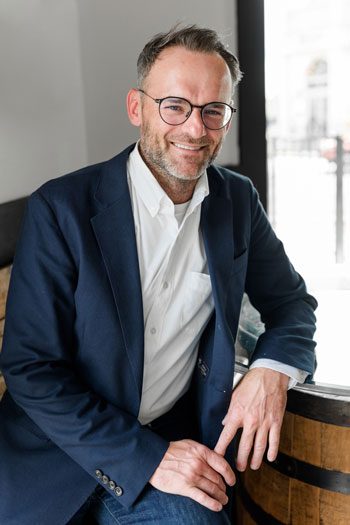
Daniel Kiser

Daniel is a Licensed Marital and Family Therapist in the state of Tennessee. He has earned master degrees in Marital and Family Therapy and Biblical Studies from Lee University. Throughout his clinical experience, he has demonstrated clinical effectiveness working with adolescents and families through utilization of evidenced based approaches in his roles as a counselor, clinical supervisor, and behavioral health manager. He has worked with adolescents with severe suicidal behaviors, anxiety, depression, aggression, and high-risk behaviors in residential treatment. Addressed the relational distress within the parent-child relationship created by their child’s disruptive behavioral responses, helping parents through their despair, resentment, and disillusionment. He is invested in the integration of theology and psychology, believing that activation of human longings, desires, and vitality for life is based upon both disciplines. Aside from professional development, he also has experienced the profound impact of a transformative therapeutic relationship that provides accountability, exploration of underlying wounds and thoughts, and compassionate care. Counseling is oriented towards reclaiming, rediscovering, and restoring vital aspects of human development and he is eager to help others in their process as well. 

The Real Work Isn't What You Think

Ray Kroc once said that McDonald's was not so much in the food business as it was in the real estate business. On the surface, they sold hamburgers, but underneath, they were building something else entirely.


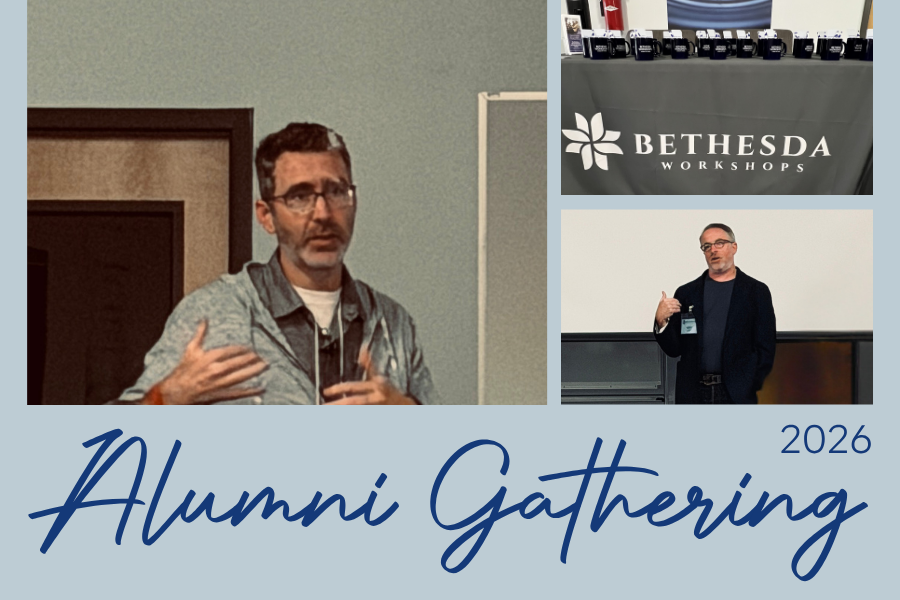
Last week, while describing Bethesda to someone, I found myself saying something I hadn’t quite expressed this way before. Ultimately, Bethesda is in the community formation business. While teaching tools and working through patterns and wounds are very important, those are not the deepest things that happen here.


What we really do is create an environment where people can be safely seen, often for the first time, and where they begin to offer that same kind of seeing to others. When that happens, strangers become something closer to companions.


The community forged in that kind of space has a strength rarely matched in everyday relationships because it is built on honesty, vulnerability, and shared humanity. Time still matters when it comes to strong bonds, but it is not always the main ingredient. The experience at Bethesda shows that connection can also grow quickly through shared pain, shared courage, and mutual encouragement. It is remarkable to watch strangers become friends in four days.


Moments like that challenge some of our assumptions about relationships. We often believe connection requires long history, careful pacing, and gradual trust. But again and again, something different happens. When people risk honesty, others tend to move toward them, not away. 


It makes me wonder how many of our relationships stay shallow, not because time is missing, but because honesty is. And how often we wait for safety before we open up, when in reality, safety is frequently created by someone being brave enough to go first. When that happens, even briefly, it reminds us how deeply we are made for community, and how much more of it might be available if we lived with just a little less hiding.


Mike Vaughn
Executive Director