Daniel Kiser

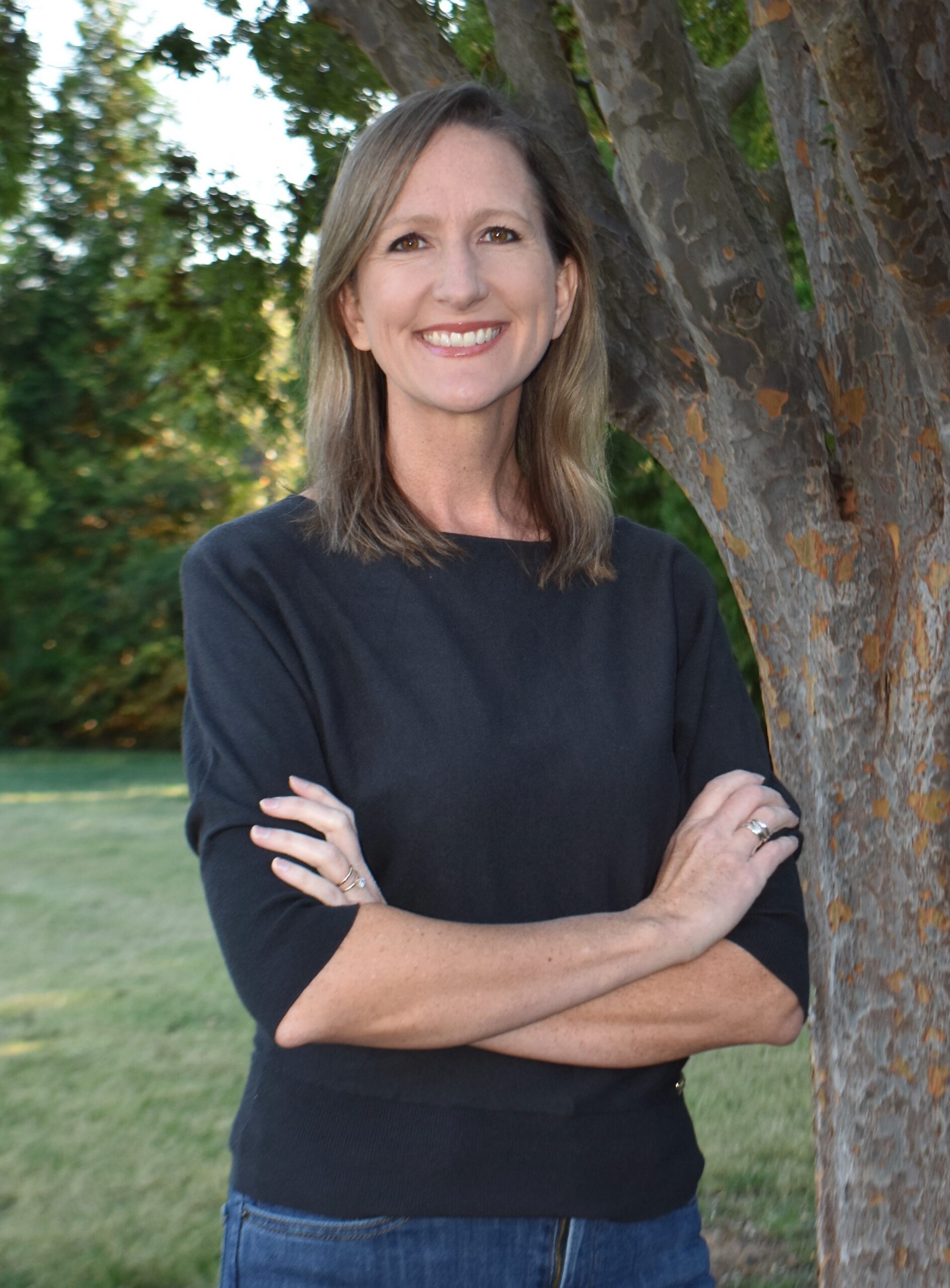
Erica Vaughn

As Bethesda Workshops’ Marketing Director, Erica helps share the hope and healing available at Bethesda. Her work includes creating our messages shared through email, social media, and on our website.

She brings experience in marketing several small businesses and non-profit organizations in the Southeast. Erica earned her BS in Business Administration in Marketing from Appalachian State University and completed a certificate program in Digital Marketing with the University of North Carolina at Chapel Hill.

She and her husband have three kids. She enjoys traveling with her family to the Carolina beaches and mountains.

Daniel Kiser

Shelly Gibbs

Shelly Gibbs is a nonprofit consultant and business coach who partners with organizations and individuals navigating their next season of growth. Her work centers on three pillars: strategy, systems, and staff — the building blocks of sustainable, thriving organizations.

Before launching her practice, Shelly served as Executive Director of NorthState Care Clinic and Director of Moral Revolution, two nonprofits dedicated to equipping and empowering people to live as their best, truest selves.

Shelly brings a whole-person perspective to her work, grounded in the belief that we are tri-polar beings — body, soul, and spirit — and that lasting transformation requires all three. She partners with people in their pursuit of freedom, peace, and abundance, holding firmly to this: we are better together.

She holds a BA in Liberal Studies and a Multi-Subject Teaching Credential from Simpson University. A Northern California native, she's now rooted in the Pacific Northwest.  

Daniel Kiser

Melissa Haas

Melissa Haas serves as the spouse-supporting therapist at HopeQuest. Melissa has a master’s degree in marriage and family therapy and is a licensed professional counselor.  Passionate about spiritual community, healthy marriages, and intimacy with God, Melissa regularly facilitates small groups and teaches and speaks on these topics in order to help the Body of Christ grow relationally with God and each other.  

Daniel Kiser

Daniel Kiser

Daniel is a Licensed Marital and Family Therapist in the state of Tennessee. He has earned master degrees in Marital and Family Therapy and Biblical Studies from Lee University. Throughout his clinical experience, he has demonstrated clinical effectiveness working with adolescents and families through utilization of evidenced based approaches in his roles as a counselor, clinical supervisor, and behavioral health manager. He has worked with adolescents with severe suicidal behaviors, anxiety, depression, aggression, and high-risk behaviors in residential treatment. Addressed the relational distress within the parent-child relationship created by their child’s disruptive behavioral responses, helping parents through their despair, resentment, and disillusionment. He is invested in the integration of theology and psychology, believing that activation of human longings, desires, and vitality for life is based upon both disciplines. Aside from professional development, he also has experienced the profound impact of a transformative therapeutic relationship that provides accountability, exploration of underlying wounds and thoughts, and compassionate care. Counseling is oriented towards reclaiming, rediscovering, and restoring vital aspects of human development and he is eager to help others in their process as well. 

Disclosure

Few things in recovery are as difficult for the sex addict as disclosing the secrets about his or her acting out, and probably nothing is as hard for the partner to experience.

Few things in recovery are as difficult for the sex addict as disclosing the secrets about his or her acting out, and probably nothing is as hard for the partner to experience. After disclosure, everything changes. The partner’s world shifts, and life will never be the same. The pain on both sides is nauseating and at times feels unbearable.

These hard realities about disclosure make it one of the most difficult therapeutic challenges – and perhaps the most important part of a couple’s recovery. At the same time, disclosure should only be done under the guidance of a professional with specific training and experience in facilitating it. Best practice involves following specific protocols with both the addict and the partner, which normally take several weeks at least to complete before the formal disclosure session.

At Bethesda Workshops we believe that full disclosure is necessary. The non-negotiable truth is that restoration within a relationship is impossible without the foundation of honesty. There cannot be marital healing and true intimacy unless there’s complete disclosure.

“Full disclosure” means that the addict volunteers the truth about his or her actions. The addict shares the nature of the behavior, meaning the broad categories such as viewing pornography, engaging in other Internet sexual activity, patronizing strip clubs, masturbating compulsively, or by having affairs, one-night stands, anonymous sex, visiting prostitutes, etc. The addict should provide a timeline of the acting out and disclose financial and other consequences. The addict must also provide the identity of any acting out partners that the partner knows.

Full disclosure does not mean telling graphic sexual details. Specific details are rarely necessary.

Ideally, disclosure is done in the presence of a trained therapist, and the addict tells the whole truth at once. Unfortunately, it rarely unfolds that way. Instead, it often becomes a drawn-out series of disclosures that only deepen the partner’s pain and mistrust. Especially when the addict has mishandled disclosure in this way, we recommend an additional, formal disclosure session that provides full information in one structured sitting.

The professional should be prepared to spend additional time with the partner after disclosure to provide support and resources. These sessions are extremely painful and draining, but they also open the door for unbelievable healing.

The two-part podcast on disclosure may be helpful for professionals and recovering people alike.