Much of my life, I chased change like a home run derby. I went for big, dramatic, and immediate shifts. If growth didn’t feel disruptive, it felt insignificant. So I aimed for sweeping resolutions, radical overhauls, and total transformations. It’s probably no surprise that few of those ever lasted.
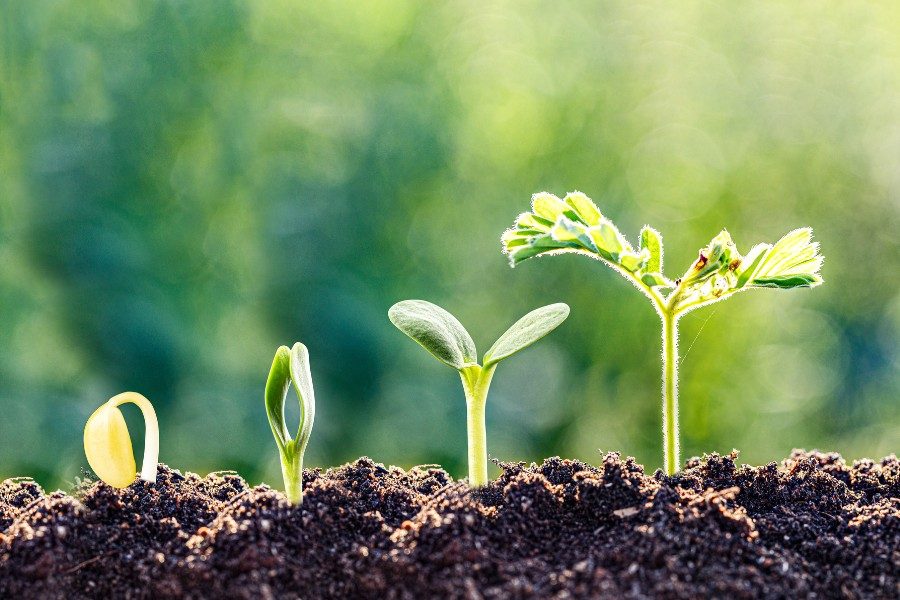
What I’ve come to see is that real change accumulates more in whispers than in shouts.
We understand compounding in money. A small amount invested consistently becomes something meaningful over time. Miss a few deposits, and the growth stalls. Stay faithful to small contributions, and the math quietly does its work. What surprised me is how faithfully this same principle operates in the inner life.
Lasting change is rarely built on breakthroughs alone. It’s built on choosing regulation one more time. Making the call you don’t feel like making. Telling the truth when silence would be easier. None of these moments feels impressive, but their total is.
Small practices compound into trust. Small acts of honesty compound into integrity. Small moments of presence compound into intimacy. Over time, the nervous system learns safety. The brain learns new pathways.
This is where I misunderstood intensity for years. I thought big moments were the change, rather than what made change possible. In reality, intensity works best when it interrupts old patterns, clarifies direction, and gives us something solid to build on.
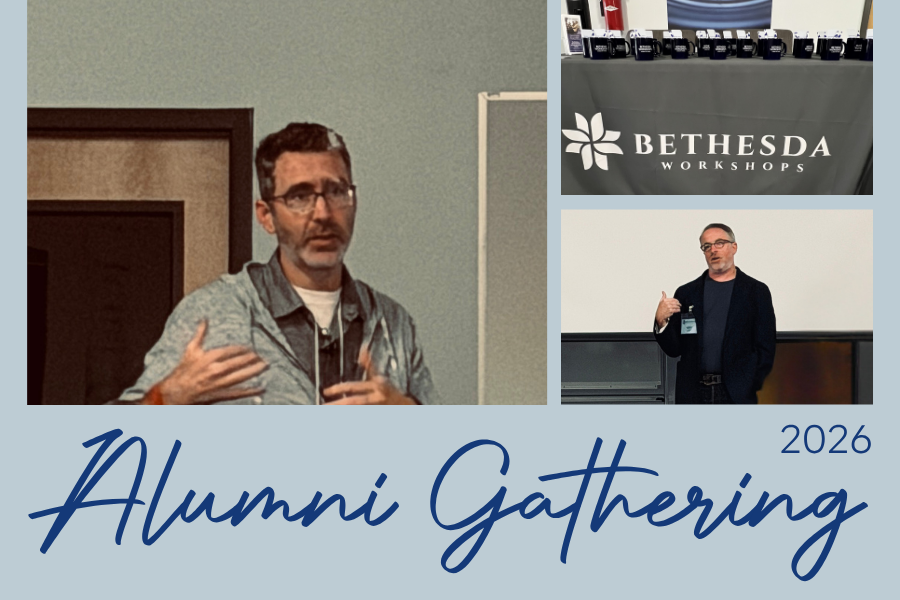
That’s where focused, immersive experiences matter. They don’t replace the daily work, they seed it. They help people see what’s possible, feel what’s different, and leave with practices that can actually be repeated once life resumes.
The irony is that the “big change” I was looking for did arrive, but it came disguised as patience. Transformation isn’t the result of intensity alone. It’s what happens when a meaningful starting point is followed by small, faithful steps over time.
The smallest faithful step, consistently repeated, is never small.
Mike VaughnExecutive Director |